May
14
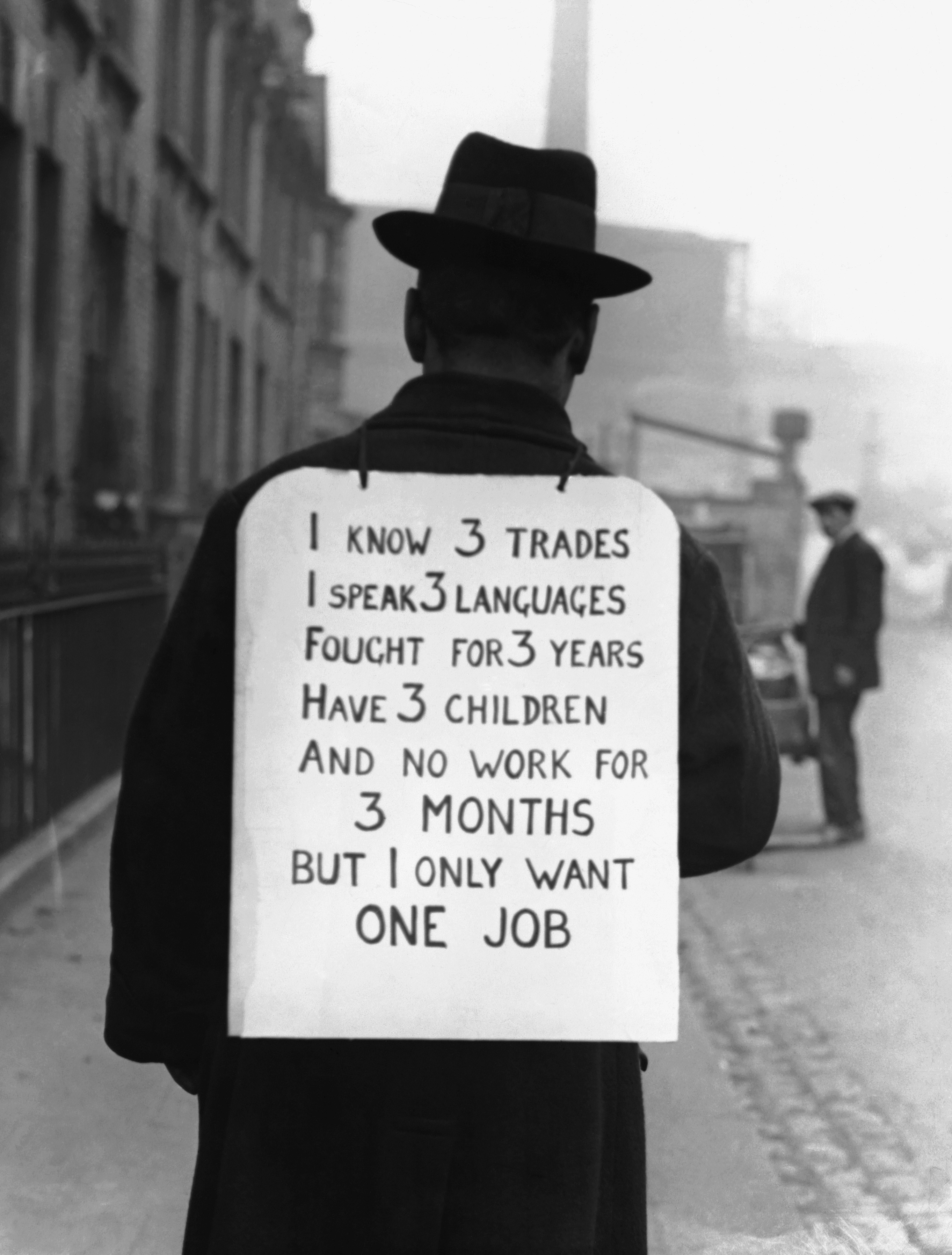
Let’s be blunt, we tend, in particular in France but this country is not alone among OECD countries to behave in such a way, to consider that our labor force structure comprises three liabilities (“passif”): the young, the old, the unskilled.
Why don’t we look at the reality of our needs and potential and start to invert the proposal and consider them as Assets (“actifs”)?
Young people are the de facto buffer of protection for those being already employed. They are suffering hard at any recession; their unemployment level is particularly high. They are just not really welcome into the labor force; they are seen as threats, even as potential troublemakers! While at the same time we desperately need their energy, their innovation potential, and the very fact that they put the others into question. They are definitively a spoiled asset, but spoiled by the rest of the labor force. It is an uncomfortable view, agreed.
Read more »
Written by Dominique Turcq
Uncategorized, WOW world of work, edito
Apr
30
One of the difficulties with organizations today is to represent them in an acceptable way. The old organization chart is largely outdated since it shows only the hierarchical dependencies and not the reality of the corporation. But what is the reality? How could one represent an organization in a way useful to employees, clients, shareholders and other stakeholders?
Read more »
Written by Dominique Turcq
Enterprise 2.0, Events, Management, Mobility, Uncategorized, WOW world of work, edito
Jan
26
The name of the coming decade, between now and 2020, has not yet appeared on the screens of the “namemakers” and it may take a few years before it does.
However, one thing is certain, whatever else happens in this decade, and the best or the worst could (the last teenage decade, 1910-1920 was one of the worst in human history), this decade will be a major milestone in the way humanity gets connected. I would suggest to call this decade “Birth Of The Total Connect”. Individuals will connect to individuals without knowing them and with very little introduction ceremony; individuals will connect to several types of work in a complex mix of virtual and real interactions; individuals will connect to the most important database of knowledge mankind ever produced; equipments and machines will connect with their masters i.e. us (including our fridges or home air conditioners via the Internet); they will also connect with each other — without us knowing about it — when they will need a refill or maintenance or “just” when they will be used to collect, store and message data about us in a systematic way, the current private data usage by Google for advertising is just a joke versus what is coming next.
Read more »
Written by Dominique Turcq
future edito
Oct
27
There are several paradoxes in the current overload of information showering on us everyday, from twitter to RSS to mail to alerts on discussions we are part of, to news, etc.
- The first paradox is that we feel overwhelmed while for most of it, this information overload’s main culprit is us because we are at the origin of the subscriptions.
- The second is that in a world of information most “senders” have not yet understood the minimum etiquette that consists in not communicating if one has nothing to communicate (my grand mother told me to turn my tongue seven times in my mouth before speaking, the habit is lost even by quite prominent personalities, Twitter just makes them look often ridiculous). This happens with Tweets, with mail, with Blogs (why do so many bloggers feel obliged to write every day or more! Do they really think they have something interesting to share every day? Or do they really mess up quantity with quality?), and with most forums. The mail, after about 20 years of diffusion, is not yet well understood by most users and we all tend to use the CC too extensively. The other social media are more richer than mail and are therefore more potentially intrusive. The future of information overload looks bright.
- The third is more subtle but more profound. Most of the progress in understanding any situation is made via listening, thinking, synthesizing, contributing or acting on the situation. When we suffer from this overload, we may listen well (although it is highly debatable) but can we think? Can we make any sense of these flows? Can we really contribute? Can we act? If not, we all waste our time and we help others lose their time too.
Read more »
Written by Dominique Turcq
edito
Jul
16
French text under the English one
WHY? Three objectives.
Let’s take some distance with the Enterprise 2.0 concept and fashion and wonder what are the real reasons why a corporation should switch to an interactive management with all its cohort of implied pain and complexity (since this is a change issue and not a fun issue). It is not only because collaborative/ interactive management is on its way to become a sort of new normal for management, due in particular to the social evolution towards more connections and social networks. More deeply, the so what is simpler than that and more profound: the collaborative mode is an essential way to improve productivity, innovation and engagement. All the rest is accessories.
Read more »
Written by Dominique Turcq
collaborative management, communities, E2.0, interactive management Enterprise 2.0, Management, WOW world of work, edito