
Étiquette : collaboration
-

On va dans le mur… d’escalade ?
Franchir le mur est possible
-
La santé publique, prochain cheval de bataille politique et social
Le prochain grand cheval de bataille de notre société sera autour de la santé publique et sera plus violent que le débat actuel sur l’IA, ses méfaits, ses enjeux sur l’emploi, etc., ou sur l’immigration, le déficit budgétaire, etc. Les signaux avant-coureurs de cette méga-crise sont déjà là. Les débats sur l’accord commercial entre l’Europe…
-

L’effondrement environnemental va exiger un nouveau management du capital humain
Non, il n’y a pas que l’IA qui va modifier la façon de gérer les hommes dans les prochaines années. Ce choc technologique pourrait même paraître mineur face à ceux provoqués par l’accélération des enjeux environnementaux. Les aides gouvernementales ne seront pas suffisantes, les entreprises et les partenaires sociaux doivent prévoir de se mobiliser et…
-

La RH est désormais un risque
La cartographie des risques utilisée par les entreprises, surtout au niveau du CA, ne considère en général pas que la gestion de la ressource humaine soit un risque en soi. Pourtant, cette ressource essentielle de l’entreprise présente de nombreux risques qui pourraient s’avérer majeurs si une approche prospective et sociale n’était pas menée. Ces risques…
-
Un « récit » n’est pas « se raconter des histoires »
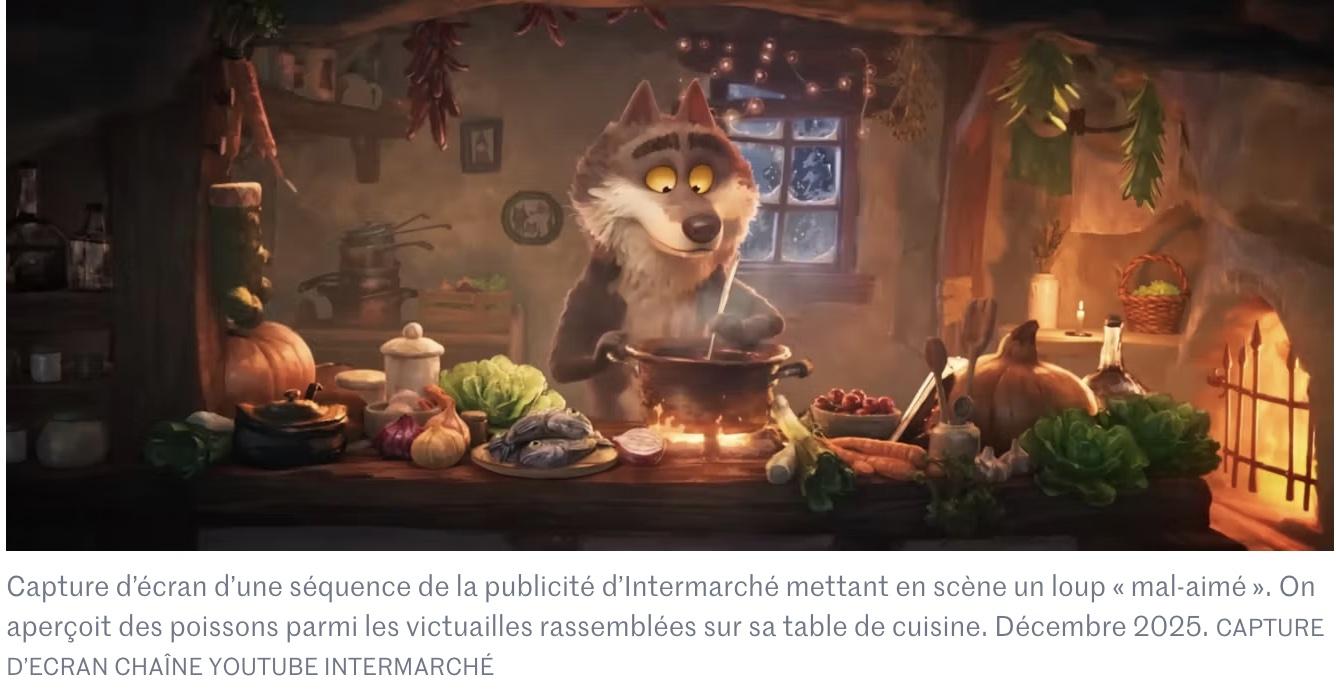
La publicité devenue virale d’Intermarché sur un loup végétarien, en forme d’histoire pour enfant, met en avant la valeur d’un récit bien pensé, que l’on soit d’accord avec le message ou non. « Récit » n’est pas un mot-valise, c’est un mot fenêtre, mais sur quoi doit-il ouvrir ? Nos entreprises ont besoin d’offrir un nouveau récit. Notre…
-
L’IA va renforcer le complexe de l’imposteur
L’IA est un outil génial mais ne fait pas de nous des génies…
-

Chroniques de Dominique Turcq dans XerfiCanal
Les chroniques de Dominique Turcq sont disponibles en vidéo et en texte en suivant les liens suivants. Elles s’étalent de 2020 à 2025 mais sont quasiment toutes conçues comme devant avoir une valeur hors de l’actualité.
-

Nous sommes tous des influenceurs !
La vidéo de ce billet se trouve ici On parle beaucoup des influenceurs. Ils sont devenus une forme importante de marketing produit, voire de marketing politique. On calcule leur valeur au nombre de vues qu’ils génèrent. Une approche quantitative encore très rudimentaire qui ne dit pas grand-chose en réalité de la profondeur de leur influence.…
-
L’IA exige une nouvelle écologie de l’esprit humain
Le terme écologie de l’esprit a été utilisé pour la première fois par Gregory Bateson dans son ouvrage « Towards An Ecology Of Mind » en 1972. « Esprit humain » y désigne la pensée et la façon dont elle se forme. L’une des idées en est que toute innovation technologique amène des modifications dans la façon dont l’esprit…
-

Les pays du Sud doivent-il vraiment copier ceux du Nord ?
Voir la vidéo ici : https://www.xerficanal.com/strategie-management/emission/Dominique-Turcq-Les-pays-du-Sud-doivent-il-vraiment-copier-ceux-du-Nord-_3754146.html On dit souvent qu’il faudra que les pays du sud fassent beaucoup d’effort dans leur développement car ils ne pourront jamais vivre comme les pays du nord. Leur consommation de ressources et d’énergie ne pourra jamais être équivalente. Notre confort de vie serait impossible pour eux. On souligne aussi…
-

KPIs : MALENTENDUS & IMPOSTURE
Quels nouveaux indicateurs pour les dirigeants
-

Jeunes et rapport au travail : des préjugés qui ont la vie dure
Les préjugés sur les jeunes ont la vie dure
-

Risquez-vous l’aveuglement éthique ?
Quelques règles pour examiner le développement des dirigeants pour demain.
-

Quel développement pour les dirigeants de demain ? Quelques clés.
Quelques règles pour examiner le développement des dirigeants pour demain.
-

Quel développement pour les dirigeants de demain ?
Avoir un fou du roi. Améliorer son hygiène décisionnelle. Revoir le concept de transformation. Inventer de nouveaux KPI. Tout un programme.
-

Le marché des talents brûle et nous regardons ailleurs, brossage de tête présentiel du 16 février
Comment rebooter HR alors que les attentes face au travail changent
-
Le marché des talents brûle et nous regardons ailleurs
Vivons-nous une « crise » ou sommes-nous – nos organisations, nos pratiques managériales, voire nos managers – en train de devenir obsolètes ?
-

Réinventer le conseil /Informer sur les perspectives de carrière/Le co-living pour familles monoparentales. Quelles leçons pour les prochains « brossages »?
Brossage de tête octobre 2022 : Réinventer le conseil /Informer sur les perspectives de carrière/Le co-living pour familles monoparentales. Quelles leçons pour les prochains « brossages »?
-

Le monde du travail pré « net zéro » : une tempête parfaite ? Les RH en première ligne
Le monde du travail d’hier, à l’ère digitale, ou celui d’aujourd’hui, à l’ère de l’IA et des neurosciences ou du post-Covid, nous ont challengés. Mais le plus intéressant n’est-il pas d’essayer de comprendre comment il va évoluer à l’ère de la transition vers le net zéro, pour ces trente décisives d’ici le milieu du siècle.
-

Neurosciences, sciences cognitives, psychologie, des aides à la fabrication du consentement
Les neurosciences et les sciences cognitives sont à la mode. Enfin ! Pourrait-on dire, car être mieux capables de comprendre le fonctionnement de notre cerveau et, notamment, mieux identifier nos biais décisionnels, pourraient être de vrais ajouts à la panoplie de tout décideur dans quasiment tous les domaines.
-

Representing future generations in governance
NO ! Future generations are not the « young people » of today, and to assume that including young people in governance or in shadow executive committees would be enough to take future generations into account is a fallacious illusion.
-

Vers un capitalisme des parties concernées
On traduit le mot stakeholders par parties prenantes, quelle erreur ! Cette erreur nous rend aveugles au véritable enjeu au cœur de la RSE : respecter tous les éléments de la chaine de création de valeur.
-

Face à la transition écologique : que faire des actifs et des compétences échoués ?
Les actifs, matériels ou immatériels, sont au cœur de la stratégie d’entreprise. leur valeur va subir des chocs négatifs brutaux avant le net zéro.
-

Les entreprises sont des chambres d’échos de valeurs creuses, est-ce grave docteur ?
Les valeurs d’une entreprise, sa mission, sa raison d’être, font partie de son identité, donc aussi de celle de ses collaborateurs. Mais ne peuvent-elles pas devenir un piège en stratégie du capital humain ?
-
Ces responsabilités que les dirigeants et managers n’aiment pas
Les dirigeants aiment les responsabilités, c’est aussi à cause d’elles qu’on justifie souvent leurs rémunérations. Mais il y a les responsabilités que l’on aime, comme prendre des décisions engageantes pour l’entreprise et pour ses actionnaires, et celles que l’on aime moins
-

L’avenir des grandes peurs écologiques : pesticides, alimentation, nucléaire
En 1962, Rachel Carson lançait une grande bataille contre le DTT et ses ravages écologiques et sanitaires. Il sera seulement interdit au début de la décennie suivante. La bataille continue, avec des connaissances scientifiques nettement plus élaborées. On ne peut que s’en réjouir pour la santé de nos descendants et de la planète. Ainsi l’Europe…
-
Comment intégrer les générations futures dans la gouvernance ?
Le 19 mai dernier a eu lieu notre premier brossage de tête, dans un bistrot parisien autour d’une planche de saucissons et de fromages.
-

La grenouille et la biologie
Nous connaissons tous l’histoire de la grenouille dans une bassine qui ne se rendrait pas compte que l’eau dans laquelle elle baigne chauffe continument et risque à la fin de la cuire. L’image est habituelle et parlante, sans probablement être juste d’ailleurs. Elle illustre toutefois bien ce qui est en train de se passer avec…
-

Contradictions entre local et global : vers de nouveaux modèles stratégiques
Cet article est paru pour la première fois sous forme de chronique dans Xerfi Canal. https://www.xerficanal.com/strategie-management/emission/Dominique-Turcq-Contradictions-entre-local-et-global-vers-de-nouveaux-modeles-strategiques_3750295.html Le monde reste global, même si cette globalisation fait face à de nombreux changements, mais le local prend aussi une importance croissante. La gestion des proximités va présenter des enjeux stratégiques nouveaux aux entreprises. L’une des difficultés pour l’entreprise…
-

Plaidoyer pour une interdisciplinarité éclairée
Cet article est paru pour la première fois sous la forme d’une chronique sur Xerfi Canal, https://www.xerficanal.com/strategie-management/emission/Dominique-Turcq-Plaidoyer-pour-une-interdisciplinarite-eclairee_3750030.html Vous connaissez l’ultracrépidarianisme, un mot issu du latin qui veut dire à peu de choses près parler avec assurance de choses que l’on ne connait pas. La crise de la COVID a fait monter sur les plateaux télé…
-

Alerte : trop de digitalisation tue les relations humaines
Ouf, le robot Pepper a été mis à la retraite par les quelques enseignes commerciales qui l’utilisaient ! L’hôtel entièrement robotisé Henna Hotel au Japon a licencié une partie de ses robots et remis en place des humains. Un article récent dans le Monde dénonçait le côté kafkaïen et inhumain des nouvelles relations avec l’administration,…
-

Les technologies doivent être régulées
Cette chronique a été publiée en premier sur Xerfi Canal https://www.xerficanal.com/strategie-management/emission/Dominique-Turcq-Les-technologies-aussi-vont-devoir-etre-regulees_3750213.html Jusqu’en 1964 on pensait que les conducteurs étaient responsables des accidents d’automobile. Puis Ralph Nader, un avocat activiste, est monté au créneau contre les constructeurs d’automobiles et a montré que la technologie avait aussi une part importante de responsabilité, car les normes de sécurité…
-

Vers un capitalisme des parties concernées
On traduit le mot stakeholders par parties prenantes, quelle erreur ! Cette erreur nous rend aveugles au véritable enjeu au cœur de la RSE : respecter tous les éléments de la chaine de création de valeur.
-

A la recherche du lien social perdu
Cet ouvrage se propose de comprendre pourquoi et comment cette évolution de nos proximités s’est produite, pourquoi ce qui s’annonce est (plutôt) encourageant, et en quoi un nouveau contrat social très concret est en train de se dessiner.
-

Les nouvelles injustices en entreprise
Comment les technologies créent des injustices en entreprise
-

Nos récentes contributions sur XerfiCanal
Entretiens avec Dominique Turcq sur XerfiCanal
-

La créativité, un avantage stratégique durable… et élusif
La créativité, tout le monde en parle, chaque entreprise sait qu’elle fait partie de ses actifs intangibles, mais comment la cerner ?
-

Post digital et cybersécurité
Cyberdéfense et stratégie, trois émissions de premier plan réalisées pour le ministère des Armées.
-

Is this a bus or an ostrich?
How to cheat an image recognition AI ?
-

Soft Skills : “L’Humain N’est pas Un Tableau Excel”
Les soft skills sont devenues incontournables au sein des entreprises mais aussi au sein dans les médias, tant la maîtrise de ces compétences “sociales” sont centrales dans le management d’aujourd’hui. Mais cette notion soulève de nombreux problèmes : comment les définir ? Comment les évaluer ? Le sociologue des organisations Dominique Turcq nous aide à comprendre…